


Why Chasing Losses Feels Logical in the Moment
Almost everyone who’s ever gambled, invested impulsively, or made a risky decision has felt it: the urge to win back what you just lost. It doesn’t feel reckless at the time. It feels reasonable. Logical, even. You tell yourself you’re just trying to get back to zero, not chasing some big win. But chasing losses has a way of pulling people deeper than they ever planned to go. Understanding why it feels so convincing in the moment can help explain why smart people still fall into this trap.
The Brain Hates Ending on a Loss
Our brains are wired to avoid unresolved loss. When something ends badly, it creates mental discomfort, almost like an open loop that hasn’t been closed. That discomfort pushes us to take action, even risky action, just to make the feeling go away. This is especially noticeable in fast, frictionless environments like the apple pay betting sites, where placing another wager feels easier than sitting with the loss. The brain isn’t chasing money as much as it’s chasing relief.
Losses Feel Personal, Even When They Aren’t
Logically, a loss is just an outcome. Emotionally, it often feels like a personal failure. Once that happens, the goal shifts from having fun or making smart choices to “fixing” what just happened. Chasing losses starts to feel like self-correction rather than escalation. The problem is that decisions made to protect ego or self-image tend to ignore probability, odds, and long-term consequences.
The Sunk Cost Trap Keeps You Moving Forward

One of the strongest forces behind chasing losses is the sunk cost fallacy. After you’ve already invested time, money, or emotional energy, walking away feels like admitting it was all wasted. So instead of stopping, you double down. Each new decision feels justified by everything you’ve already put in. Ironically, the more you lose, the harder it becomes to stop, because quitting now feels worse than quitting earlier.
Short-Term Wins Reinforce the Pattern
Occasionally, chasing losses works. You get a win, maybe even break even, and it feels like proof that your logic was sound. That small victory can be incredibly reinforcing. It teaches your brain that persistence pays off, even if the overall pattern is negative. These intermittent wins are powerful because they blur the line between luck and strategy, making future chasing feel even more reasonable.
Stress Shrinks Your Decision-Making Window

Losses create stress, and stress narrows perspective. When you’re calm, you can think long-term. When you’re stressed, your brain shifts into survival mode. The focus becomes immediate recovery, not future risk. This is why chasing losses often feels urgent. You’re not weighing options—you’re reacting. In that state, stopping can feel more dangerous than continuing, even when that clearly isn’t true.
The Moment Always Feels Different Than the Aftermath
Looking back, chasing losses often seems obvious and avoidable. In the moment, though, it feels like the only sensible move. That disconnect is what makes it so tricky. The emotional intensity of a loss distorts judgment, making risky decisions feel controlled and intentional. By the time clarity returns, the damage may already be done.
Chasing losses doesn’t happen because people are careless or irrational. It happens because the brain is trying to resolve discomfort, protect identity, and regain control—all under pressure. In the moment, it feels logical because …







 One of the most significant red flags indicating a problematic gambling pattern is the compulsion to chase losses. If you continually increase your bets to recoup previous losses, it indicates that your gambling behavior might be getting out of control. Chasing losses rarely leads to positive outcomes and can lead to further financial strain and emotional distress. Even though you may be betting through a $2 minimum deposit casino NZ, for example, the chances of you recovering your losses and making money are still incredibly slim.
 Problematic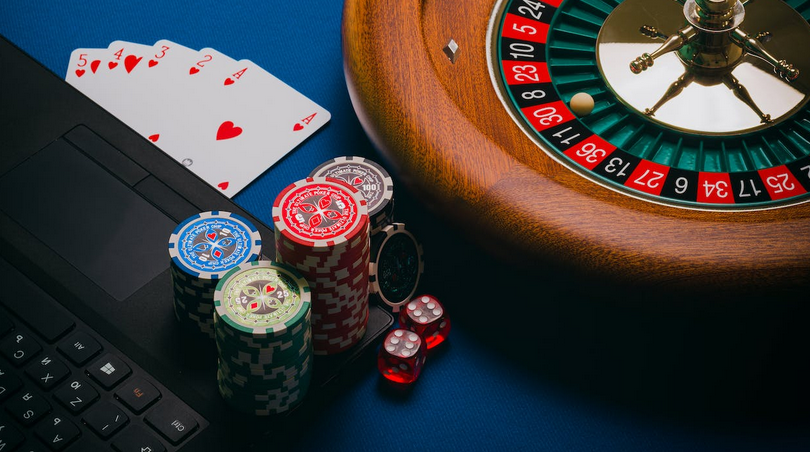
 Live casino gaming is one of the hottest trends in online gambling right now. Live dealer casinos offer a more realistic and immersive experience compared to traditional online casinos, where all games are run by software. The live streaming technology used in these platforms gives players real-time interaction with croupiers, allowing them to take part in interactive conversations while playing their favorite games. Players can even talk to the croupier through a chat window and feel like they are in a physical casino.
 Last but not least, Artificial intelligence (AI) technology is being used in online gambling more and more these days. AI-enabled chatbots can provide players with personalized advice and create a more engaging gambling experience. AI can also be used to analyze player behavior and give them tailored suggestions, such as which games they should play or what bonuses they should take advantage of. AI can also be used to ensure players gamble responsibly and don’t get in over their heads with their bets.

 The last winning strategy to consider is to avoid parlays. Parlay bets are when multiple bets are combined into a single wager, and the returns can be substantial if all of your picks come in. However, they are very risky, as one incorrect prediction can wipe out your entire stake. If you want to get the most out of your sports betting, it’s best to avoid making parlay bets, as there is a much higher chance of losing your money. Instead, focus on single outcomes and increase your profit chances. There may not be as much of a payout, but at least you will have the assurance that your stake won’t disappear in one fell swoop.

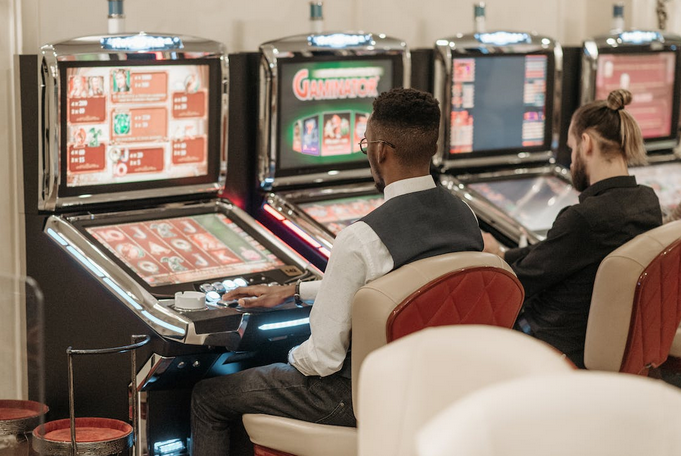
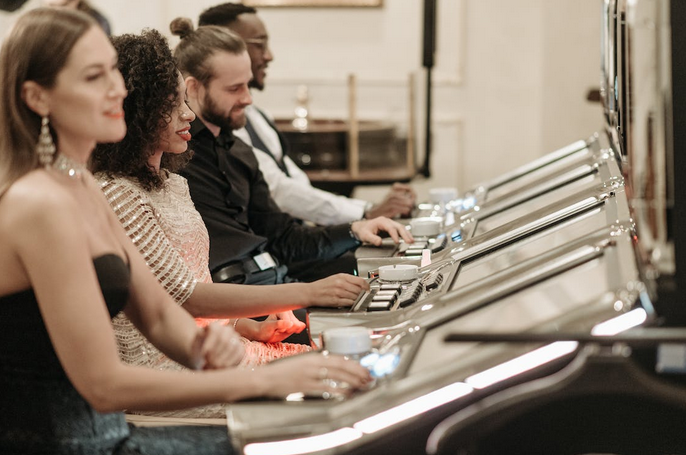


 One of the biggest advantages of UFA Slot is its high payout rate. With a return-to-player percentage of over 96%, your chances of winning are much higher than in other online casino games. This means that you can enjoy longer gaming sessions, giving you more opportunities to win big.
 Most, if not all, gamblers will agree that money is always a crucial concern, as most people gamble intending to make more cash. Although this is the case, most casinos are pretty expensive, which is one of the main reasons some people do not gamble. You may be happy to learn that online gambling platforms are cheaper than you may think.
 The second reason online gambling is suitable for you is that it is convenient in so many ways. You do not have to worry about following the many rules that traditional casinos usually set with online gambling. You may be surprised to learn that traditional casinos have rules on dress codes, drinking, and the number of bets one can make.
 If you are one of the many people who gamble for fun, you are guaranteed to love online gambling. Online gambling has been credited for being a source of entertainment for many people during the lock-down due to the Coronavirus outbreak.